The short answer is overwhelmingly: Yes, commercial energy storage systems (CESS) are, by design, fundamentally connected to the grid. In the B2B sector—covering large commercial buildings, industrial facilities, and manufacturing parks—the true value of a CESS is derived precisely from its ability to interact intelligently with the utility grid. These sophisticated, grid-tied assets are not primarily intended for simple off-grid operation, but rather for optimizing energy flow and minimizing cost, making them crucial components of modern industrial and commercial energy solutions.
Understanding the “why” behind this connection is key for B2B stakeholders, as it unlocks the economic and operational benefits that justify the capital investment.
Dual Functionality: The Core of Grid-Connected Systems
Unlike isolated systems or simple backup generators, which remain idle until a complete outage, modern commercial energy storage systems are active, dynamic players that perform continuous services for the facility and, in many cases, for the wider grid. Their connectivity enables a dual-mode operational paradigm:
Grid Interaction (Normal Operation): This is the core function where the CESS charges from the grid during off-peak, low-cost periods or uses excess on-site renewable energy (like solar). It then discharges to offset the facility’s load during high-cost periods. This continuous interaction is the mechanism by which the financial value of the CESS is maximized through arbitrage and cost avoidance.
Grid Isolation (Backup Operation): In the event of an outage, a grid-connected system is equipped to immediately detect the loss of utility power. It can then isolate itself from the grid (a process known as “islanding”) to safely provide critical backup power to designated circuits within the facility, ensuring operational continuity for essential processes without interruption.
The system’s continuous connection allows it to provide ongoing services that reduce energy costs and enhance power quality, transforming it from a mere backup device into a revenue-enabling asset.
Economic Optimization: The Primary B2B Driver
The most immediate financial benefit of a grid-connected commercial energy storage system comes from its ability to intelligently arbitrage electricity prices and manage high utility fees. This connectivity is paramount for realizing the financial returns necessary for B2B investment.
Peak Shaving and Demand Charge Management: This is the flagship service for industrial and commercial energy solutions. C&I customers often face significant “demand charges” levied based on their single highest moment of power draw from the utility during the billing cycle. By drawing power from the CESS during this peak period, the facility significantly lowers its recorded maximum grid demand, resulting in substantial and measurable savings on the monthly utility bill.
Time-of-Use (TOU) Arbitrage: The system charges when utility rates are low (e.g., overnight or midday during high solar generation) and discharges when rates are high (e.g., late afternoon or evening), capitalizing on the price difference. The continuous grid connection is absolutely necessary to monitor real-time rate changes and execute these precise, automated charge/discharge cycles.
Revenue Generation and Grid Participation: In deregulated energy markets, a grid-connected CESS can be enrolled in Demand Response programs. This allows the system to earn revenue by reducing its load or exporting stored power to the grid upon utility request, effectively transforming the facility’s energy infrastructure into a flexible, value-generating resource.
Industrial and Commercial Energy Solutions Demand Longevity and Safety
The long-term value of a CESS depends entirely on the quality and durability of the technology, which must be rated for intensive, grid-tied cycling over many years. Specialized manufacturers like HiTHIUM focus exclusively on delivering components engineered for this high-performance, grid-integrated environment.
High Cycle Life for Low LCOS: Continuous grid cycling requires batteries with exceptional longevity. HiTHIUM’s C&I systems are built on high-performance Lithium Iron Phosphate (LFP) cells—such as the core ESS Cell 314Ah—which is certified to boast a nominal cycle life of greater than or equal to 13,000 cycles. This superior endurance is crucial for guaranteeing the financial returns and minimizing the Levelized Cost of Storage (LCOS) of a grid-tied asset over its intended operational life.
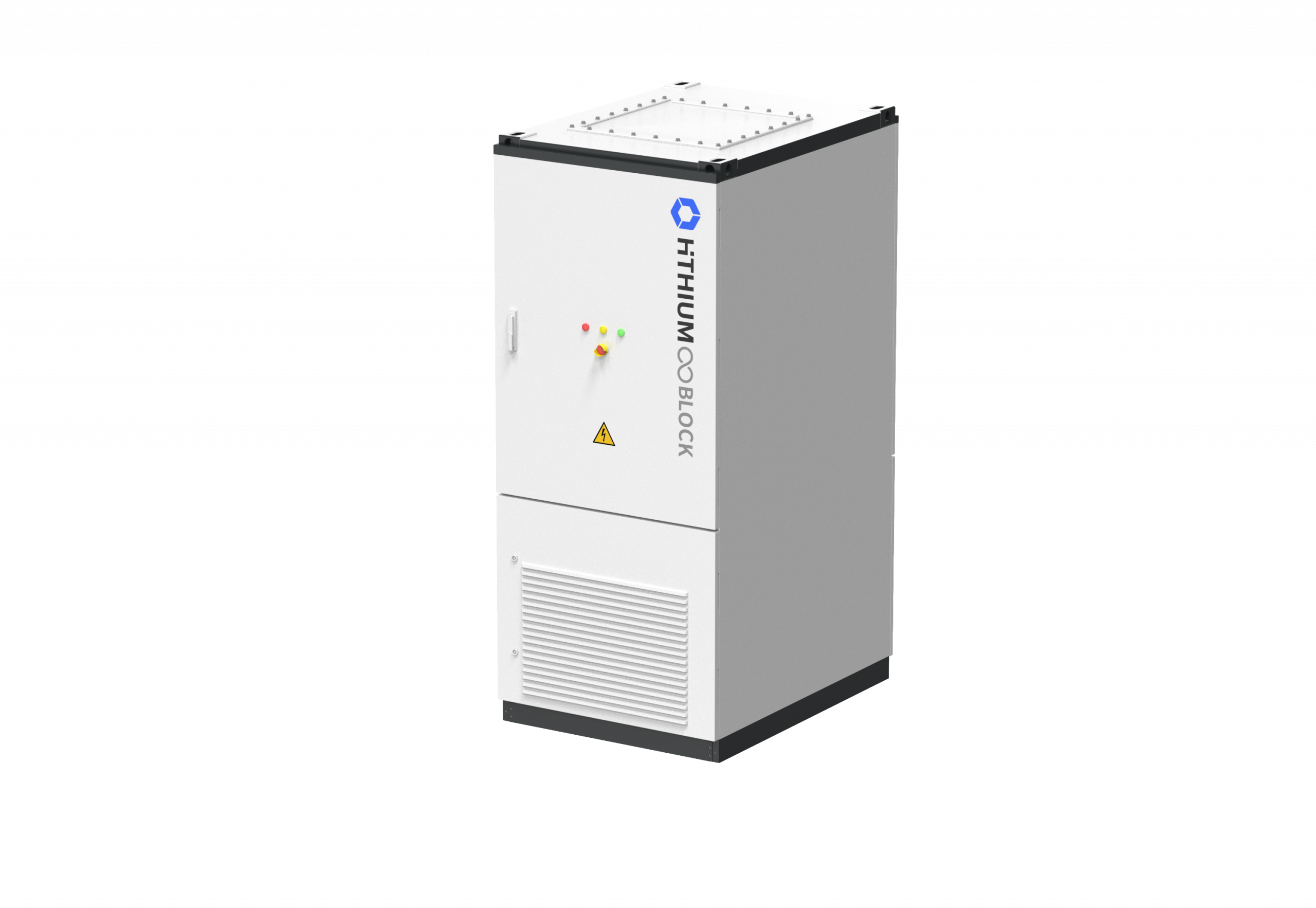
Thermal Management for Consistent Performance: The constant, often rapid charging and discharging necessary for grid services generates heat. For high-capacity commercial energy storage systems, liquid-cooling—a standard feature in HiTHIUM’s integrated solutions like the ∞Block 261kWh—is vital. It precisely regulates the battery temperature, ensuring consistent power output, extending cell life, and maintaining the high safety standards required for continuous grid interconnection.
Safety and Grid Code Compliance: Being grid-connected mandates rigorous adherence to safety and communication standards. HiTHIUM systems are certified to demanding international standards like UL 9540A and UL 1973, confirming they can safely and reliably interact with the grid and automatically isolate the system if any faults or disturbances occur.
In summary
The question is not whether commercial energy storage systems are still connected to the grid, but rather how deeply and intelligently integrated they are. For businesses, the connection is the essential gateway to cost savings, maximized solar utilization, enhanced resilience, and participation in new energy markets. By providing highly efficient, long-life, and safety-certified LFP-based solutions, HiTHIUM ensures B2B customers can leverage the full spectrum of benefits a smart, grid-connected system provides.
