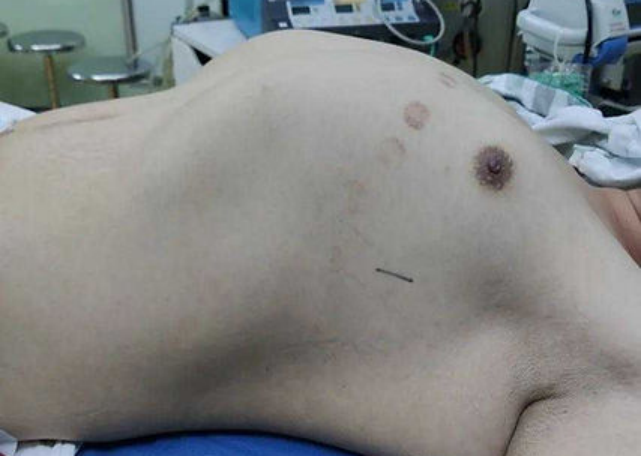
A barrel chest shape is frequently observed in advanced chronic obstructive pulmonary disease (COPD), particularly in Stage III or IV, where markedly reduced lung elastic recoil leads to prolonged air trapping in the lungs. This results in persistent chest expansion and the gradual development of a rounded, barrel-like appearance of the chest wall.
Causes and Symptoms
In COPD—especially emphysema—the development of a barrel chest results from chronic lung hyperinflation and the progressive loss of elastic recoil in lung tissue. Barrel chest itself does not produce respiratory symptoms; rather, chest tightness, shortness of breath, or fatigue originates from the underlying COPD. The presence of a barrel-shaped chest therefore reflects long-term structural changes and often indicates disease progression, warranting proper evaluation and management of the primary respiratory condition.
Advanced Surgical Correction at ICWS
The Institute of Chest Wall Surgery (ICWS) specializes in the diagnosis and correction of chest wall deformities, including the barrel chest shape associated with COPD and congenital conditions. Their innovative Wenlin procedure provides a minimally invasive solution designed to restore normal chest wall structure with minimal trauma and faster recovery. By combining advanced imaging diagnostics with precision surgical planning, they ensure surgical safety, aesthetic results, and functional improvement.
Conclusion
Not all patients with a barrel chest are suitable candidates for surgical intervention. When secondary to chronic lung disease, surgical correction of the chest wall should not be performed, and treatment must focus on the primary pulmonary condition.
In contrast, congenital barrel chest can be corrected surgically. For these patients, The Institute of Chest Wall Surgery (ICWS) offers specialized surgical treatment, including the Wenlin procedure, to correct chest wall deformities through minimally invasive surgical techniques.
