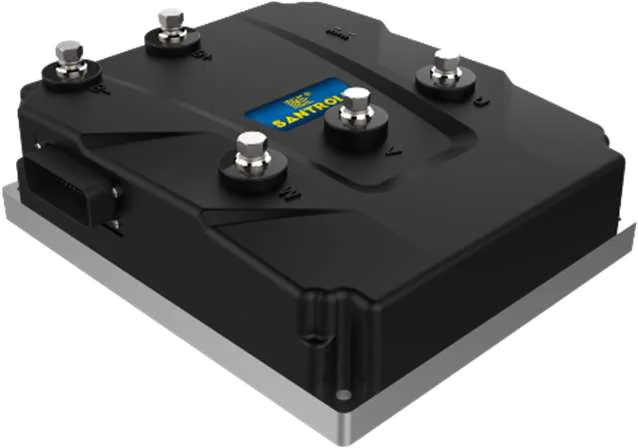
Verifying the operational status of a motor controller requires a structured diagnostic approach to isolate faults within the unit or its connected systems. Santroll outlines a methodical process for testing these critical components, which applies to various types, including an AC electric motor controller. Safety protocols, including electrical isolation and discharge of capacitors, must precede all physical inspections.
Initial Visual Inspection and Connection Audit
A thorough physical examination is the first actionable step. Technicians should look for signs of arcing, burnt components, bulged capacitors, or loose terminals. All power and control wiring connections require verification for correct torque and integrity. Corroded or loose connections can cause erratic behavior in an AC electric motor controller that mimics a more serious internal fault.
Static Component Testing with a Multimeter
With power disconnected and circuits discharged, use a multimeter for passive checks. Diode and transistor bridges within the motor controller can be tested for shorts or open circuits. Resistance measurements across terminals can identify dead shorts to ground. Checking the DC bus capacitance for shorts is also a standard procedure. These tests help identify common failure points before applying power.
Dynamic Power-On Analysis and Signal Verification
If static tests pass, controlled power application is the next phase. Using an isolated power supply if possible, technicians monitor input currents for abnormalities. With a drive-enabled signal, the output voltage of the AC electric motor controller is measured. An oscilloscope is ideal for confirming the correct pulse-width modulation (PWM) waveform pattern and voltage levels, indicating the control logic and power stage are functional.
This sequential methodology—from visual check to dynamic analysis—systematically rules out potential issues. Santroll‘s technical documentation for its motor controller products often includes specific test points and expected values. Adhering to this process helps maintenance personnel accurately determine if a controller requires repair or replacement, thereby reducing system downtime and ensuring operational reliability.
