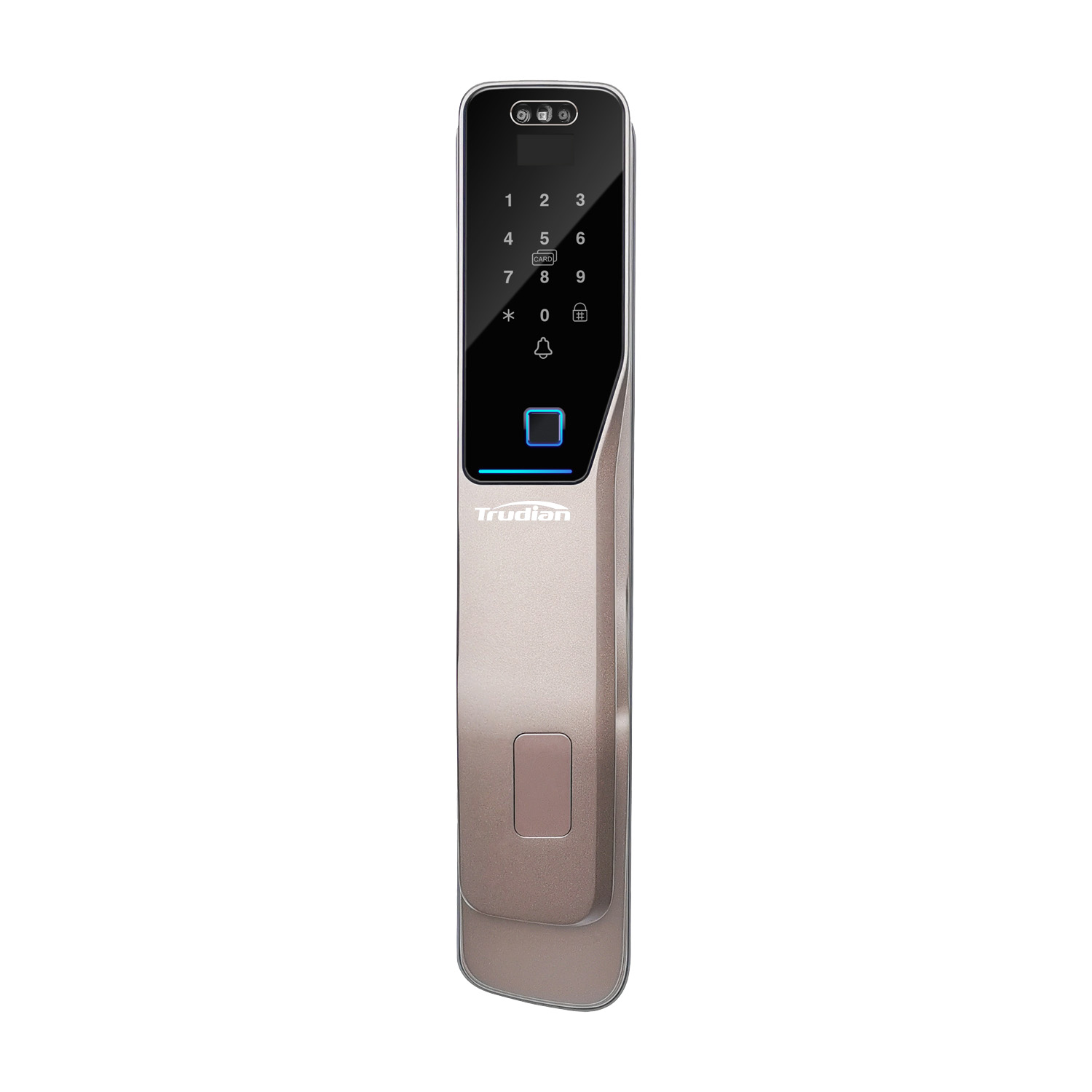
The traditional ring of heavy brass keys is quickly becoming a relic of the past in the multi-family housing industry. As the rental market becomes increasingly competitive, property managers are shifting their focus toward digital ecosystems that prioritize operational efficiency and resident security. Integrating the best smart lock technology is no longer just an “amenity” for luxury units; it is a strategic requirement for modern building management.
The Physics of Biometric and Capacitive Security
To understand why property managers are moving toward these solutions, we must look at the “popular science” of access technology. Modern smart locks rely on two primary scientific principles: semiconductor capacitive sensing and AES-256 encryption.
A high-quality smart lock often utilizes a semiconductor fingerprint sensor. Unlike older optical scanners that simply took a 2D “photo” of a fingerprint, capacitive sensors use tiny electrical capacitors to measure the voltage difference between the ridges and valleys of a finger. This creates a high-precision 3D map, making the system nearly impossible to spoof with 2D images. When this data is transmitted to the cloud for remote management, it is typically protected by AES-256 bit encryption—the same cryptographic standard used by global financial institutions—ensuring that the “digital key” is as secure as a physical vault.
Reducing Operational Friction and Costs
For property managers, the primary pain point is “Turnover Day.” Traditionally, every time a tenant moves out, a locksmith must be hired to re-key the physical cylinder, a process that is both time-consuming and expensive.
With a centralized smart lock system, this entire workflow is digitized. Managers can instantly revoke old digital credentials and issue new encrypted “keys” to a tenant’s smartphone via a web portal. Beyond turnover, these systems solve the “lost key” crisis. Instead of a midnight emergency call and a lock-out fee, a resident can be granted temporary access remotely, or use a backup PIN code, significantly reducing the labor burden on building staff.
Creating a Transparent Audit Trail
The final priority for property managers is accountability. Unlike a mechanical key, which leaves no record of use, a smart lock generates a real-time audit trail. Managers can see exactly when a maintenance contractor entered a unit or confirm if a delivery person was granted access. This transparency protects the management from liability and provides residents with a profound sense of “digital peace of mind.”
Trudian: Enterprise-Grade Access for Multi-Family Housing
As a leader in smart community security, Trudian provides a robust catalog of residential locks specifically engineered to meet the high-traffic demands of apartment complexes. Their hardware bridges the gap between resident convenience and administrative control.
The Trudian smart lock series, exemplified by models like the TD-H1-B, features industrial-grade specifications:
- Multi-Modal Authentication: Supports facial recognition, semiconductor fingerprinting, IC cards, PIN codes, and the Tuya Smart App.
- Exceptional Identification Speed: Features a fingerprint contrast time of ≤1 second, ensuring residents aren’t left waiting at their door.
- High-Security “Anti-Peep” Logic: Supports a 20-digit anti-peeping password. Residents can enter random digits before or after their actual code to prevent onlookers from stealing their PIN.
- Robust Hardware Standards: Constructed with aluminum alloy, with surfaces featuring IMD coating for wear resistance.
- Intelligent Power Management: Equipped with 4200mAh lithium batteries and a 7.2V low-voltage alarm, providing ample warning for maintenance teams to swap power sources.
Moving to Trudian smart solutions allows property managers to replace physical key management with a secure, encrypted dashboard. By leveraging biometric precision and cloud efficiency, owners can boost property value while cutting operational overhead.
