As businesses place greater emphasis on efficiency, uptime, and long-term operating value, battery technology is becoming a more important part of equipment strategy. In the past, lead-acid batteries were widely accepted as the standard choice for electric vehicles and material handling equipment. Today, however, more operators are re-evaluating that standard. The reason is simple: older battery systems often create operational limits that are harder to justify in modern working environments.
From warehouses and factories to campuses and recreational fleets, users increasingly expect batteries to deliver stable power, shorter charging times, and less maintenance. In these areas, lithium technology is proving to be a stronger fit. Rather than serving as a minor upgrade, it is becoming a practical shift toward better performance and lower operating friction.
Where Lead-Acid Batteries Fall Short
Lead-acid systems remain common in many operations, but their weaknesses become more visible when equipment is used intensively. They tend to be heavier, require more manual care, and often lose performance as the charge level drops. In busy environments, these issues can affect workflow more than expected.
Some of the most common drawbacks include:
- regular watering and routine upkeep
- longer charging and cooling times
- declining output during discharge
- heavier battery weight
- more downtime tied to maintenance and charging cycles
For businesses running frequent shifts or demanding equipment schedules, these limitations can translate into reduced productivity and higher labor involvement.
Why Lithium Technology Offers a Stronger Alternative
Lithium batteries are increasingly favored because they address several of the day-to-day challenges associated with lead-acid systems. Instead of requiring ongoing maintenance and extended recovery time, they are designed to support a more streamlined operating model.
Their advantages often include:
- Stable power delivery
Equipment can maintain stronger, more consistent performance throughout the discharge cycle. - Faster charging
Shorter charge times help keep vehicles and machines available for use. - Lower maintenance needs
Many lithium systems eliminate the routine servicing that lead-acid batteries require. - Better efficiency
Energy is used more effectively, which can support smoother overall operation.
These benefits make lithium especially attractive for businesses that depend on equipment reliability every day rather than occasionally.
A Better Fit for Forklift Operations
Forklifts operate in environments where consistency matters. Whether the job involves moving pallets in a warehouse, handling inventory in a distribution center, or supporting industrial production, battery performance has a direct impact on productivity. Equipment that slows down late in a shift or needs long charging windows can disrupt the entire workflow.
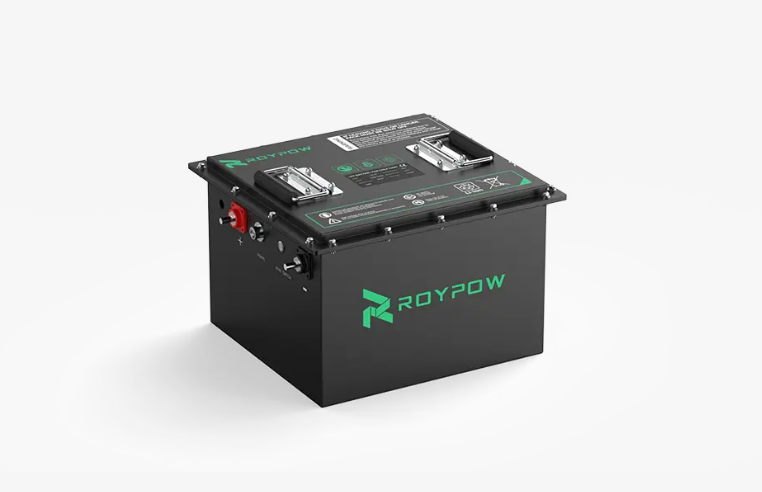
That is why lithium solutions are becoming more common in material handling. A 36 volt battery for forklifts built on lithium technology can help support reliable power, reduced downtime, and easier battery management. In many cases, the value is not just in the battery itself, but in the way it improves the broader operating rhythm of the workplace.
For operators and managers alike, that means fewer interruptions and a more predictable workday.
Benefits Beyond Forklifts
The advantages of lithium technology are not limited to industrial equipment. They are also relevant in applications such as golf carts and other electric mobility platforms, where users care about runtime, convenience, and ease of ownership.
In these settings, lithium batteries are often appreciated for several practical reasons:
- lighter system weight
- easier handling and installation
- support for faster recharge cycles
- more dependable long-term performance
- better suitability for frequent-use scenarios
As more businesses and organizations adopt electric equipment, the appeal of batteries that combine flexibility with low maintenance continues to grow.
Long-Term Value Matters More Than Upfront Cost
One reason lithium batteries continue gaining ground is that buyers are looking beyond initial purchase price. A battery may seem affordable at the start, but if it requires more labor, more downtime, and more frequent replacement pressure, its long-term value becomes less attractive.
Lithium technology often presents a stronger return in the form of:
- reduced maintenance labor
- improved equipment uptime
- fewer charging-related delays
- more consistent day-to-day performance
For operations focused on total cost of ownership, these factors are often more important than the sticker price alone.
A Smarter Choice for Modern Energy Needs
The shift from lead-acid to lithium is not happening simply because lithium is newer. It is happening because many businesses now need battery systems that align better with modern expectations around efficiency, reliability, and ease of use. In both industrial and light electric applications, lithium offers practical advantages that are difficult to overlook.
As operational demands continue to rise, the gap between traditional and advanced battery technologies is becoming more obvious. For companies looking to reduce maintenance, improve performance, and support more productive workflows, lithium batteries represent a more forward-looking solution. In that sense, they are not just outperforming lead-acid systems on paper. They are helping reshape how businesses think about power in everyday operations.
