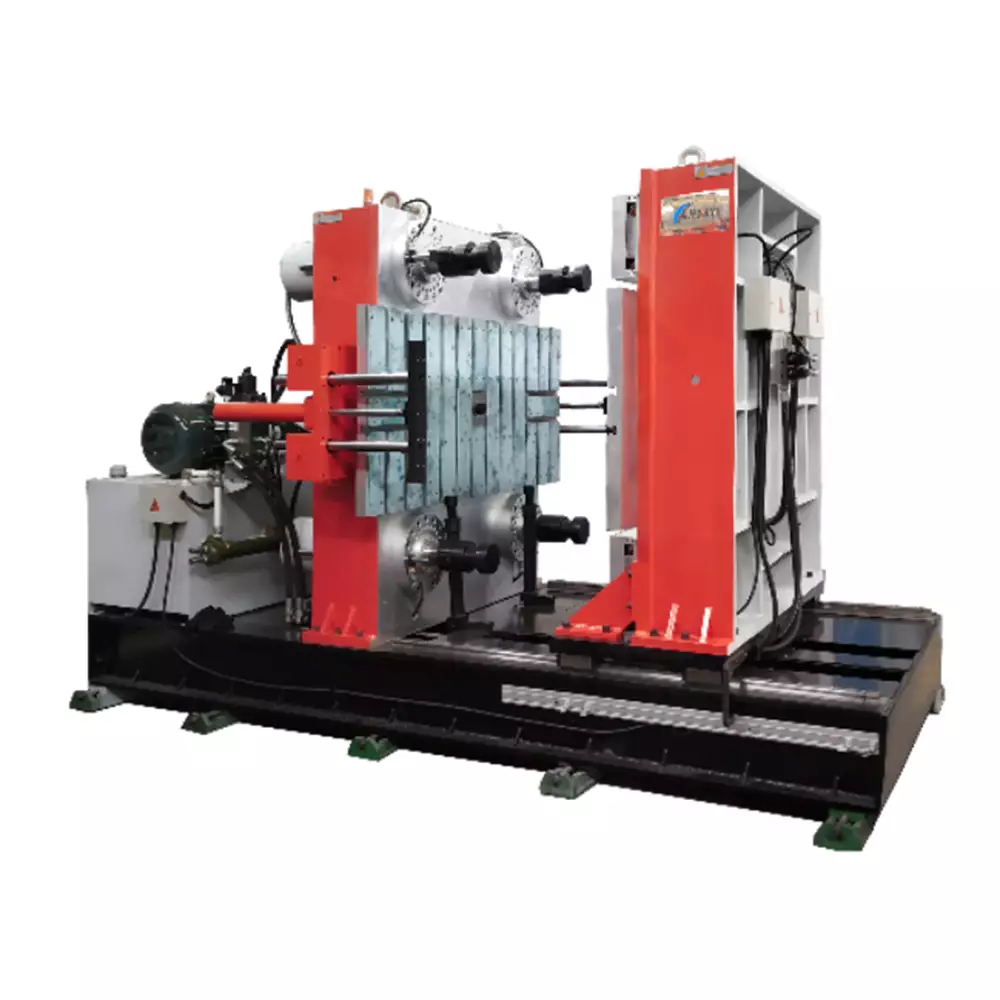
Optimizing a horizontal molding cycle requires a complete view of filling, curing, clamping, mold movement, and handling. A horizontal rubber injection molding machine may offer fast motion and open access, but sustainable output depends on how accurately each stage is matched to the product. B2B plants should improve constraints without reducing safety margins or finished-part quality.
Baseline data is the logical starting point. Engineers need separate times for loading, closing, injection, pressure holding, curing, opening, removal, and inspection. Once variation is visible by stage and shift, the team can target the true bottleneck rather than making several small adjustments that hide the underlying cause.
Stabilize Injection and Curing Before Accelerating Motion
Filling must remain repeatable before movement speeds are increased. A horizontal injection moulding machine with precise injection control can maintain staged pressure and speed settings for different molds. Stable material delivery reduces short shots, excessive flash, and rework that would erase any seconds gained from a faster mechanical sequence.
Process engineers should define a validated window for material temperature, injection speed, pressure, and cure time. Trials need to measure dimensions and functional properties, not merely visual appearance. A cycle is optimized only when accepted parts remain consistent at the planned production rate.
Thermal balance often determines how far cure time can be reduced. Uneven mold temperature forces the entire cycle to wait for the coldest region. Process engineers need to review heater performance, sensor calibration, insulation, mold contact, and part thickness before raising the temperature or shortening the dwell time.
Where servo-hydraulic control is available, it can reduce electricity use while maintaining stable operation. Controlled hydraulic response supports efficient acceleration and pressure build-up. Maintenance teams must keep oil condition, valves, guides, and sensors within specification so programmed timing remains achievable.
Stopping rules protect the process during optimization. If dimensions, flash, cure state, pressure response, or temperature move outside agreed limits, the trial should pause for diagnosis. This prevents a superficially faster setting from becoming the new standard before its effect on quality has been understood.
Use Horizontal Access to Shorten Mold-Side Work
The F Series uses a horizontal clamping structure intended for smooth mold opening and convenient operation. Its tie-bar-less upper space can simplify mold installation and provide easier access for large molds or inserts. Layout planning should convert that access into a consistent handling sequence.
Insert preparation can occur outside the guarded cycle when fixtures and staffing levels allow. Production teams can stage parts, inserts, and tools in an ergonomic order near the loading point. Standard work reduces searching, repositioning, and inconsistent manual actions without demanding unsafe speed from operators.
Automated removal may be justified when part geometry and volume support reliable gripping. The robot or lifter should complete its task within the available open time and hand parts to downstream cooling or inspection without creating a queue. Safety interlocks must protect every shared movement zone.
Guide-rail platen movement, a robust clamping unit, and machine-base parallelism support repeated opening and closing. The HWAYI horizontal rubber injection molding machine cannot maintain optimized cycle times if mechanical resistance, alignment, or mold condition changes. Routine inspection keeps motion data useful as an early indicator of wear.
Ergonomic review can remove wasted time without pressuring operators. Reach distance, fixture height, part orientation, and container placement influence every manual load and unload. Small layout changes often improve consistency because they reduce unnecessary turning, walking, or repositioning during the open-mold period.
Coordinate the Cell and Protect Repeatability
Cell balance extends beyond the press. Pumping, metering, mold preparation, part handling, inspection, and packing must support the target rate. HWAYI can integrate the clamping machine with suitable pumping, metering, and mold solutions according to project requirements.
Recipe control protects improvements after trials end. Approved settings should be linked to the correct product, material, and mold, with changes logged and restricted. Operators need clear responses for alarms, material shortages, sticking parts, and quality drift so that recovery does not introduce uncontrolled parameters.
Useful measures include median cycle time, stage-level variation, first-pass yield, unplanned stops, changeover duration, and accepted parts per hour. Controller records from a horizontal injection moulding machine may show a short cycle while downstream rejects reduce effective output. Production reporting should expose that difference.
Production teams need to review trial results over enough cycles to capture normal variation. A single best run is not a dependable basis for production planning. Capacity commitments are better based on a stable median, an understood reject rate, and realistic allowances for replenishment, cleaning, inspection, and minor stops.
Lasting optimization combines stable injection, validated curing, efficient mold access, balanced auxiliaries, and disciplined maintenance. It does not depend on one speed setting or an unrealistic best cycle. A structured program gives industrial manufacturers higher usable capacity while preserving component performance, operator safety, and the reliable operation expected from a long-term capital asset.
