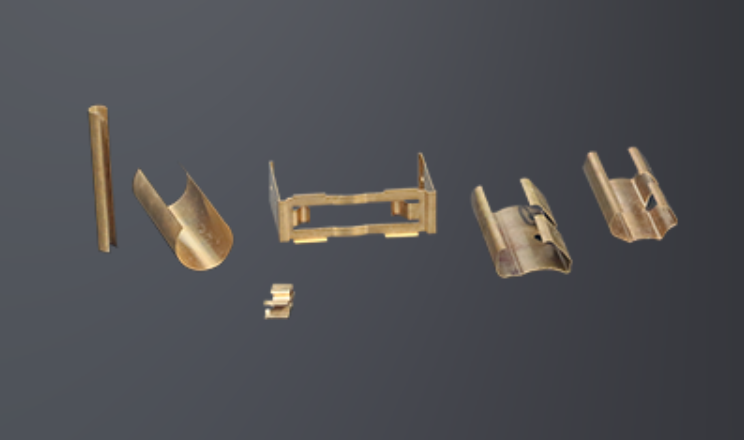
In product development, surface appearance and material durability often need to be considered together. Metal components used in industrial equipment, consumer products, and decorative applications require suitable finishing methods to achieve the expected visual effect while supporting long-term use. Among different surface treatments, copper-inspired finishes remain popular because they provide a warm metallic appearance and can match various design styles.
For manufacturers evaluating surface treatment solutions, choosing a suitable copper metal finish requires attention to material characteristics, protection requirements, and application conditions. The right finishing process can influence both the appearance and practical performance of metal parts during product development.
Why Copper-Inspired Finishes Remain Popular in Product Design
Copper tones have been widely used in product design because they create a distinctive visual impression. Compared with standard silver metallic surfaces, copper finishes provide warmer colours and can bring a sense of craftsmanship to products. This makes them suitable for applications where appearance is an important part of product evaluation.
However, appearance is only one consideration during manufacturing. Real copper materials can react with environmental factors and may develop oxidation over time. Therefore, designers and engineers need to consider surface protection methods when selecting copper-like finishes for industrial products.
A properly developed metal finishing process helps manufacturers achieve a copper appearance while improving resistance to daily wear, moisture, and environmental exposure. This approach allows products to maintain a consistent surface condition during their expected service period.
Understanding Oxidation and Surface Protection Requirements
Oxidation is a natural reaction that can affect copper and copper-related materials. When copper surfaces interact with oxygen, moisture, or other environmental elements, colour changes may occur. In some applications, natural oxidation creates a desired aged appearance, but in precision products, uncontrolled changes may affect product consistency.
For industrial components, manufacturers often use protective layers to manage oxidation risks. Coatings, polishing treatments, and other finishing processes can help control surface reactions and maintain the intended appearance. The selection depends on the material, working environment, and design requirements.
During prototype and product development, engineers usually review both visual expectations and functional needs. A surface finish that looks suitable in the design stage also needs to match manufacturing conditions, assembly requirements, and possible usage environments.
How Copper Metal Finish Supports Industrial Applications
Different industries use copper-effect finishes for different purposes. In electronic equipment, decorative panels and external covers may require attractive surfaces while maintaining material protection. In industrial products, metal parts may need finishing solutions that support both appearance review and practical performance.
For prototype manufacturers, surface treatment is an important stage after machining. A well-developed copper metal finish can help design teams evaluate how a final product may look before moving into larger production. This is especially useful for projects involving customised housings, mechanical components, and appearance-focused models.
The finishing method should also match the base material. Aluminium, stainless steel, and other metals may require different preparation processes before achieving a copper appearance. Surface preparation, coating compatibility, and finishing techniques all influence the final result.
The Role of Professional Surface Treatment in Prototype Development
Prototype manufacturing often requires more than accurate dimensions. Product teams also need to review texture, colour, and overall appearance before making production decisions. This is why surface treatment capability has become an important factor when selecting manufacturing partners.
Honpe provides CNC machining and prototype manufacturing services with different surface processing options. Their team supports product development projects by combining machining experience with finishing techniques. They also have experienced technicians who focus on manual refinement for prototype models that require detailed appearance adjustments.
This type of craftsmanship is useful for projects where standard industrial finishing methods may not fully meet design expectations. By connecting machining and finishing processes, manufacturers can review prototypes in a more complete way before production planning.
Combining Manufacturing Experience with Surface Finishing Knowledge
The development of metal parts usually involves communication between designers, engineers, and manufacturing teams. Surface treatment decisions need to be considered together with machining methods, material selection, and production requirements.
A suitable metal finishing solution is not only about changing the colour of a component. It involves preparation methods, coating selection, process control, and quality inspection. These factors influence whether a finished part can meet the requirements of a specific project.
Honpe has established a research and development centre to support manufacturing improvement and technical communication. Their capabilities include CNC precision machining, prototype development, and customised processing solutions. They also have specialised areas for leather and protective cover processing, supporting projects with different material combinations.
Supporting Product Development Through Integrated Manufacturing Services
For global industrial customers, manufacturing partners need to understand both design requirements and production challenges. A company with machining, finishing, and development experience can provide more complete support during prototype and small-batch manufacturing stages.
Honpe works with customers from different industries and provides manufacturing services based on project requirements. Their production experience, technical team, and quality management system support cooperation with international clients, including companies with established product development processes.
In addition, they have obtained IATF certification, which reflects their focus on structured quality management. Their manufacturing resources allow engineering teams to communicate more efficiently when developing products that involve precision parts and customised surface requirements.
Balancing Design Value and Material Performance
Selecting a suitable finish requires consideration of appearance, protection, material compatibility, and application environment. Copper-inspired surfaces continue to attract attention because they provide a unique visual style while allowing manufacturers to explore different protection methods.
For companies developing metal products, understanding the relationship between design and manufacturing is important. Honpe supports industrial projects by combining CNC machining, surface treatment capabilities, and prototype experience. Through practical finishing solutions and engineering cooperation, they help customers evaluate products from appearance review to manufacturing preparation.
