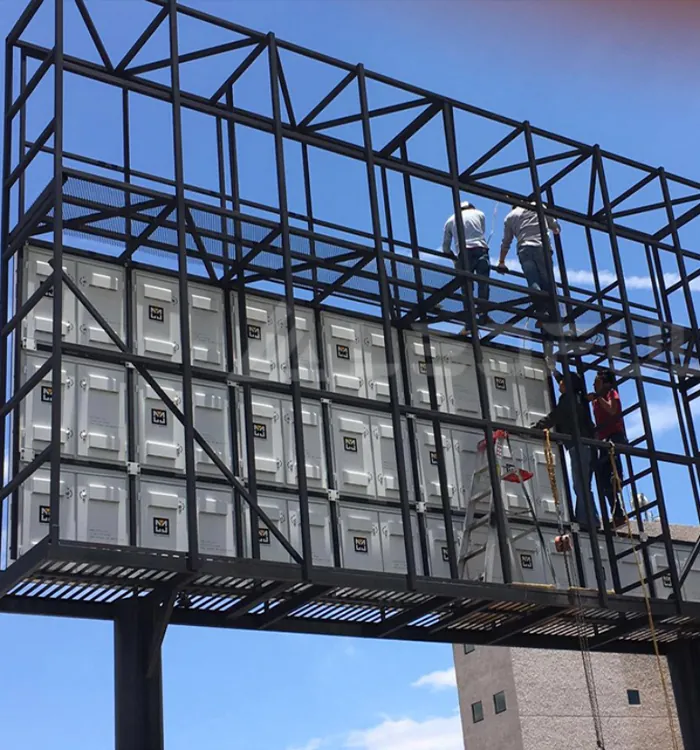
The rise of naked-eye holographic visuals has transformed urban landmarks into immersive digital experiences. However, implementing an outdoor 3D LED display involves significantly higher technical complexity and safety requirements than standard 2D signage. For engineering firms and media owners, the priority is not just visual impact, but the structural and operational integrity of the entire LED display solution. As a premier global provider, LEDFUL has engineered high-profile 3D projects that balance cutting-edge “L-shaped” or curved aesthetics with industrial-grade safety protocols.
To operate these massive installations securely, one must adhere to rigorous engineering standards that cover everything from structural wind-load calculations to thermal management and software stability.
Structural Integrity and Wind-Load Engineering
An outdoor 3D LED display typically involves large-scale corner cabinets or seamless curved structures designed to create a sense of depth. These configurations create unique aerodynamic challenges. Unlike a flat wall-mounted screen, a 3D corner display often acts as a sail, catching wind from multiple directions.
A professional LED display solution must begin with a comprehensive structural analysis. This includes calculating the maximum wind pressure the local environment might exert and ensuring the steel framework and cabinet anchors are rated for these forces. Utilizing high-strength aluminum alloy cabinets, like those found in the LEDFUL outdoor series, reduces the overall dead weight on the building facade while maintaining the rigidness necessary to prevent module displacement. Any shift in the alignment of the corner modules, even by a few millimeters, can break the 3D optical illusion and potentially create mechanical stress on the waterproof seals.
Advanced Thermal Management and Fire Prevention
The high-brightness diodes required for 3D content—often exceeding 8,000 nits to maintain depth perception in daylight—generate substantial heat. In an enclosed or semi-enclosed 3D structure, heat buildup can lead to “thermal runaway,” affecting color uniformity and, in extreme cases, posing a fire risk.
A secure outdoor 3D LED display utilizes common-cathode technology to improve energy efficiency. Furthermore, the internal power supplies and receiving cards should be distributed to allow for natural convection. The engineering team at LEDFUL integrates intelligent temperature sensors that can trigger automatic cooling systems or dim the display if internal temperatures exceed safety thresholds. Using V-0 flame-retardant materials for the PCB and masks is a non-negotiable standard for professional installations in high-density urban areas.
Electrical Safety and Signal Redundancy
Operational security also depends on the stability of the power and data infrastructure. Given the scale of a typical outdoor 3D LED display, the power draw is significant. A professional-grade LED display solution incorporates multi-stage lightning protection and surge suppression to protect the sensitive driver ICs during electrical storms.
Moreover, for high-stakes commercial launches, signal redundancy is essential. By implementing a “dual-loop” signal backup system, the display can continue to function even if a primary data cable or receiving card fails. This prevents the “black screen” or “frozen frame” scenarios that can damage a brand’s reputation and lead to costly downtime. Ensuring that the control system is isolated behind a professional-grade firewall is also a critical step in preventing unauthorized access to the public-facing content.
Software Calibration for Seamless 3D Visuals
The “3D effect” relies on the perfect synchronization of content across the corner or curve of the screen. Operating these displays securely requires specialized media servers capable of handling high-resolution 8K or 10K content without dropped frames. Any lag between the two planes of the display will not only ruin the visual effect but can cause eye strain or “simulator sickness” for the viewing public.
A high-performance LED display solution includes periodic color and brightness calibration. Over time, LEDs may age at slightly different rates based on their exposure to the sun or the specific colors used in the 3D content. Professional calibration ensures that the transition between the front and side faces of the screen remains invisible, maintaining the integrity of the 3D perspective and the safety of the long-term hardware investment.
Partnering with a Technical Leader for Complex Projects
Selecting an outdoor 3D LED display is a commitment to both innovation and public safety. A reliable partner like LEDFUL provides the necessary engineering documentation—including CAD drawings, power distribution layouts, and structural certifications—to ensure the project meets local building codes and international safety standards. The company’s history of successful case studies in over 80 countries demonstrates our ability to deliver visual excellence without compromising on mechanical or electrical security.
In the world of professional engineering, the final details of the installation are what determine its longevity. The company provides deep customization in our ability to provide deep customization based on the specific constraints of your site. Whether your project requires a specific number of lamp caps to achieve the perfect pixel density for depth perception, or specialized custom housing colors and coating finishes to integrate the screen into a modern skyscraper’s aesthetic, our engineering team is equipped to deliver. LEDFUL can customize the frame style and the protective coatings according to your specific lamp and structural requirements. To explore our full range of technical specifications and customization options, readers can visit the company’s service pages or our service and explore pages to see how we can bring your next 3D vision to life safely and effectively.
