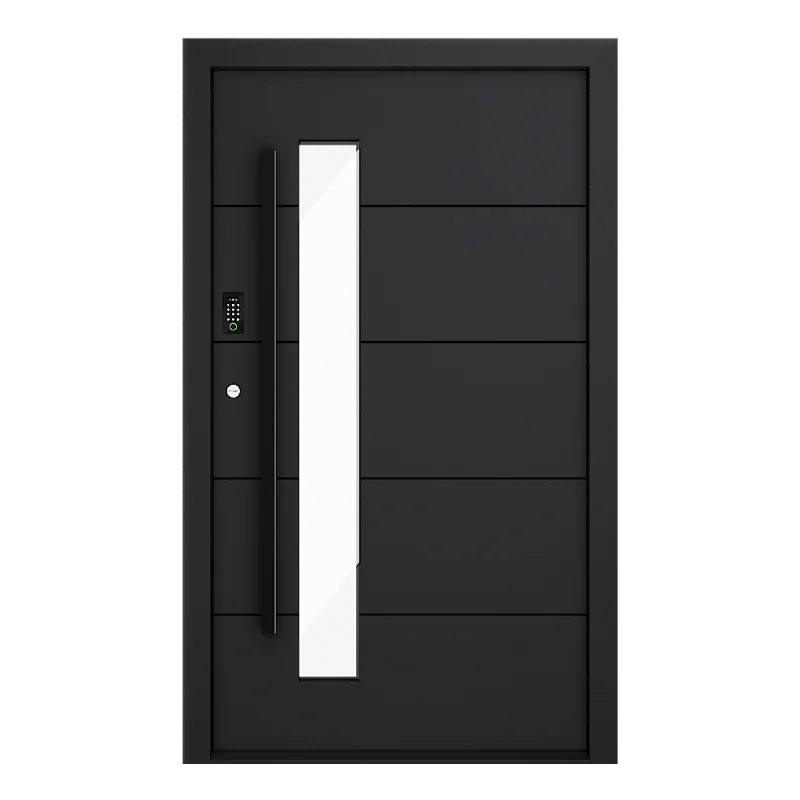
As home offices become part of residential and mixed-use layouts, acoustic separation is becoming an important consideration in door specification. Noise from adjacent rooms, circulation areas, and exterior environments can interfere with video meetings, focused work, and confidential conversations.
For architects, builders, and residential project teams, the challenge is not simply choosing a visually attractive door, but selecting an entry system with appropriate construction, sealing, and acoustic characteristics for the intended application.
A primary entry point for unwanted household noise into a dedicated workspace is an under-engineered interior or exterior threshold. Traditional hollow-core doors provide minimal acoustic resistance, allowing airborne sound waves to pass freely between living areas and work spaces.
Upgrading home office perimeters with a high-performance soundproof entry door establishes a crucial acoustic barrier. Isolating your workspace from external noise helps maintain continuous workflow, protects concentration, and elevates professional productivity throughout the workday.
Cognitive Science: How Acoustic Isolation Protects Focus and Mental Energy
Background speech and sudden environmental sounds can interrupt concentration, particularly during tasks that require sustained attention. Every acoustic distraction forces the brain to process unexpected sounds, interrupting linear thought patterns and depleting precious mental energy reserves.
Repeated interruptions can make it harder to maintain sustained attention during complex work. Minimizing ambient noise exposure stabilizes cognitive focus, enabling remote workers to enter and sustain states of deep focus longer.
Sustained concentration allows professionals to complete complex analytical tasks, creative projects, and strategic planning with greater precision. Reducing unwanted background noise can create a more comfortable working environment and may make sustained concentration easier.
For a home-office application, door construction and perimeter sealing can contribute to a quieter interior environment. Where a defined acoustic rating is required, project teams should review product-specific test documentation. Higher STC ratings indicate greater resistance to airborne sound transmission under standardized test conditions.
Architectural Physics of High-Performance Acoustic Entry Doors
Achieving superior acoustic insulation requires dense construction materials capable of dampening airborne vibrational energy. Unlike standard hollow doors, acoustic entry assemblies utilize solid dense cores, high-density composite layers, and heavy structural frames to impede sound transfer.
Sound waves travel through materials by inducing physical vibrations, which then radiate acoustic energy into adjacent rooms. Dense, multi-layer door constructions can increase sound transmission loss by adding mass and damping to the door assembly.
Precise perimeter sealing mechanics are equally vital for maintaining complete acoustic isolation across active working environments. Microscopic air gaps around frame margins act as acoustic leaks, allowing high-frequency sounds like speech to bypass heavy door panels entirely.
Zekin entry doors use multi-layer sealing and weatherproof sealing systems to improve thermal and acoustic comfort. Automatic threshold seals deploy upon closing, sealing base gaps completely to prevent sound waves from creeping underneath the door panel.
Professional Confidentiality and Virtual Meeting Privacy Control
Remote work mandates frequent video conferences, client negotiations, and confidential strategic calls throughout the business week. Without proper soundproofing, sensitive client discussions and proprietary business data can easily echo into shared residential living areas.
Background noise leaking into your microphone during virtual presentations projects an unprofessional image to clients and colleagues. Controlling ambient sound transfer ensures clear, crisp audio transmission during important calls, enhancing professional credibility during meetings.
Simultaneously, a soundproof entry door prevents confidential internal discussions from spilling out into household spaces. Maintaining acoustic privacy protects sensitive company information while ensuring family members can move freely through adjacent rooms without interruption.
Project teams should review product-specific acoustic test documentation when a defined STC rating is required. Precision frame construction ensures tight perimeter seal alignment, keeping confidential conversations strictly within your private workspace.
Enhancing Work-Life Boundaries Through Physical Architectural Barriers
Working from home blurs the psychological boundary between professional responsibilities and personal domestic life. Without a clear physical threshold, remote professionals often struggle to mentally disengage from work tasks at the conclusion of the business day.
A substantial acoustic entry system acts as a psychological boundary, signaling the transition between working hours and personal time. Closing a heavy, well-sealed door physically separates professional commitments from domestic activities, fostering healthier work-life balance.
Well‑defined spatial zoning within mixed‑use residential layouts supports separate modes of use for project occupants. Purpose‑designated work zones help structure daily routines and reduce unintended overlap between work‑related activities and residential living functions.
Collaborating with a technical entry door manufacturer allows specifiers and project stakeholders to select architectural styles that complement project interior aesthetics. Elegant wood grains, sleek powder coatings, and refined hardware help turn functional acoustic barriers into sophisticated design features.
Long-Term Capital Investment and Property Valuation Benefits
Upgrading home office infrastructure with certified acoustic doors delivers lasting economic value beyond immediate productivity gains. For residential projects that include dedicated workspaces, acoustic separation can become an additional specification consideration alongside thermal performance, security, and architectural design.
High-performance entry doors enhance property energy efficiency by reducing air infiltration and thermal transfer across climate zones. Insulated cores maintain comfortable indoor temperatures, lowering HVAC operational costs while providing continuous acoustic dampening throughout the year.
Selecting durable, factory-finished entry doors prevents warping, finish degradation, and mechanical alignment issues over extended lifecycles. Durable hardware and weatherproof sealing can support reliable daily operation when the door is correctly specified, installed, and maintained.
Investing in premium fenestration crafted by Zekin protects capital assets while optimizing remote working environments. Specifying engineered acoustic doors establishes a peaceful, productive, and valuable home workspace designed to meet rigorous professional standards.
