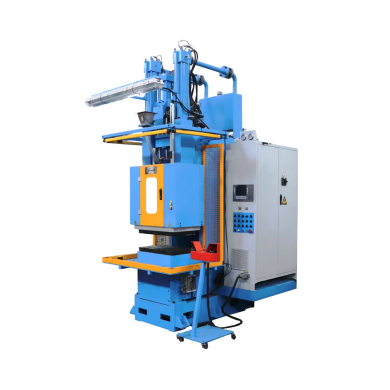
Industrial production facilities must balance operational workspace efficiency against absolute mechanical force when choosing layout designs. The structural layout of vulcanization machinery directly impacts your floor space utilization, initial capital spending, and component demolding cycle times.
Selecting an optimal framework geometry is critical for high-volume automated factory lines. Sourcing a high-performance C frame hydraulic press offers specific tactical advantages and architectural constraints for sectors manufacturing complex automotive profiles, electrical joint insulation, tracks, or tire bladders.
The Advantages: Open Workspace Design and Processing Flexibility
The most significant practical benefit of an open-frame press is its fully accessible three-sided operational workspace layout. Conventional four-column molding systems heavily restrict lateral side access, forcing machine operators or automated robotic arms to navigate only through narrow front or rear pathways.
Conversely, a C frame rubber injection molding machine offers completely open side areas. This architectural layout simplifies the manual insertion of long, continuous automotive sealing strips, dense windshield junctions, and bulky rubber track profiles.
Furthermore, this spacious workspace allows factories to integrate automated auxiliary mechanisms seamlessly. Engineering teams can easily position upper lifters, pneumatic slide tables, and dynamic core-pulling valves. These enhancements shorten cycle times and minimize manual part handling.
Because the open architecture accommodates asymmetrical or oversized tooling configurations easily, factory flexibility increases significantly. Production managers can quickly adapt the machinery to handle diverse product geometries without purchasing entirely new mechanical frames.
Enhanced Material Efficiency and Injection Precision
Advanced open-frame setups frequently integrate innovative runnerless injection paths to lower overhead material waste. Eliminating traditional sprue channels prevents the premature vulcanization of expensive compounds inside the machine feed mechanisms before reaching mold cavities.
An all-in-all-out injection layout engineered by HWAYI delivers high volumetric accuracy without requiring complex check valves. This advanced configuration minimizes material scorching risk while maintaining tight weight tolerances across continuous, high-volume production operations.
This precision is crucial when processing sensitive elastomeric compounds for high-tier industrial contracts. Minimizing compound waste directly improves material utilization metrics, helping corporate buyers secure excellent long-term margins on repetitive manufacturing contracts.
Fast Tooling Adjustments and Compact Footprint Efficiency
Corporate procurement buyers value open-frame hardware because it dramatically accelerates routine mold setup changes. Tooling technicians can slide heavy mold halves directly from the sides rather than lifting them meticulously through narrow vertical columns.
By leveraging this streamlined layout shortcut, operators can slash average mold changeover downtime from multiple hours down to mere minutes, greatly boosting long-term overall equipment effectiveness. Additionally, the upright vertical, space-saving compact structure of these molding machines minimizes the total physical square footage required on crowded, high-output manufacturing floors.
By fully optimizing valuable factory floor space, manufacturers can deploy a flexible multi-station layout or stable double working station configuration. This intelligent space utilization allows a single skilled operator to manage multiple production units efficiently, significantly lowering overall total workforce overhead expenses.
The Disadvantages: Structural Deflection Under High Tonnage
Despite clear operational flexibility advantages, the asymmetric C-shaped profile presents inherent structural limitations under massive pressures. When the main hydraulic cylinder exerts high clamping forces, the open jaw structure tends to flex or “yawn” outward slightly.
This microscopic structural deflection alters the parallelism between the upper and lower heated platens during high-pressure cycles. If platens misalign even slightly, clamping force becomes unevenly distributed across the delicate mold surface geometries.
Uneven clamping leads to material flash defects along parting lines, which requires manual trimming and spikes scrap rates. Therefore, standard open-frame systems are generally unsuited for giant structural components requiring immense, continuous tonnage.
Mitigating Frame Flex with Premium Structural Engineering
To counteract framework yawning, high-tier machinery builders utilize heavy-duty, stress-relieved steel plate weldments. A premium C frame hydraulic press utilizes advanced FEA modeling to reinforce critical stress concentration points along the rear spine.
Advanced engineering platforms designed by HWAYI achieve high process capability metrics through robust frame reinforcement. This structural stability maintains precise platen alignment, ensuring consistent part uniformity even when operating near maximum clamping limits.
Furthermore, integrating advanced PID temperature calibration software ensures uniform heat distribution across the entire platens. This precise thermal control works alongside heavy-duty frame design to prevent structural defects or localized material curing failures.
Strategic Capital Procurement and Long-Term Equipment Selection
Industrial operations must evaluate target component dimensions, material types, and strict compliance standards before finalizing procurement plans. For large tire bladders or heavy-duty marine fenders, traditional four-column vertical presses remain the industrial standard.
However, when manufacturing intricate vehicle window seals, delicate thin silicone insulators, and bespoke custom dynamic gaskets for automotive use, the durable open-frame press remains unmatched. Sourcing a robust reinforced C frame rubber injection molding machine delivers the optimal balance of ample workspace flexibility and consistent high process precision.
Choosing a compliance-focused global machinery manufacturer guarantees seamless installation within regulated factory landscapes without requiring aftermarket adjustments. This built-in engineering reliability protects your initial investment, stabilizes component output quality, and secures future manufacturing profitability.
